Global Verification Activity Log – 5045844313, 2159882300, 8445247370, 5108448166, 4084987586

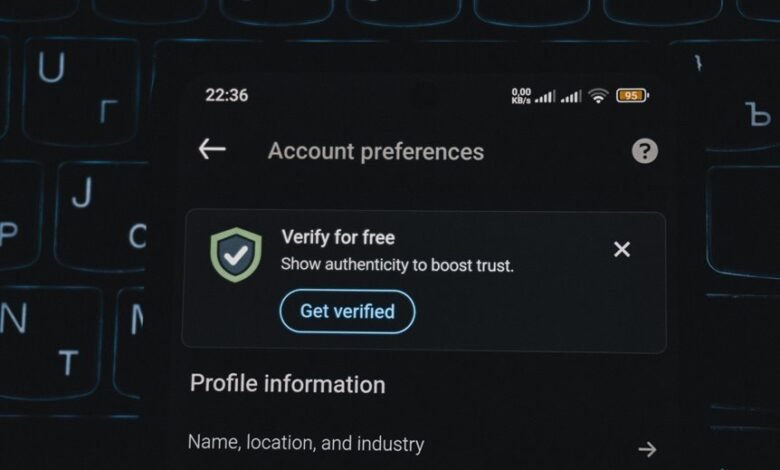
The Global Verification Activity Log consolidates cross-region events for review, listing outcomes, timing, and scope across five identifiers. Patterns emerge in verification success and failure, revealing governance gaps and redundancy. The record, grounded in data governance and risk assessment principles, supports turning events into auditable safeguards for integrity and access control. A practical framework is needed to translate findings into accountable owners and clear timelines, sustaining transparent reporting and resilient governance—yet questions remain about priority and ownership that merit careful consideration.
What the Global Verification Activity Log Tells Us
The Global Verification Activity Log provides a consolidated record of verification events, enabling observers to trace the timing, scope, and outcomes of checks conducted across regions. In this context, data governance structures guide data integrity, while risk assessment procedures quantify exposure, prioritize remediation, and illuminate gaps.
The log thus reveals compliance patterns, accountability allocations, and opportunities for targeted improvements without prescribing actions.
Patterns in Verification Outcomes Across Platforms
Across platforms, verification outcomes exhibit consistent patterns that reflect underlying governance maturity and platform-specific data flows.
Outcomes show selective redundancy where processes duplicate checks, yielding redundant verifications that reinforce reliability but may inflate effort.
Platform disparity emerges in error distribution, with some ecosystems displaying tighter lineage controls while others expose broader variance in result signaling and acceptance criteria, guiding targeted governance refinement.
Turning Logs Into Safeguards for Data Integrity and Access Control
Turning logs into safeguards begins with translating raw event data into verifiable, auditable controls. The methodical process analyzes access patterns, validates integrity, and preserves continuity of records, ensuring accountability without stifling legitimate autonomy. Privacy gaps are identified and mitigated through structured controls, while audit trails provide independent verification of actions. This disciplined approach strengthens data protection and access governance across systems, sustaining trust and resilience.
A Practical Framework to Action-Track Verification Findings
A practical framework for action-tracking verification findings translates observed activity into concrete, auditable steps, aligning detection, investigation, and remediation with governance objectives.
The framework emphasizes traceability, repeatability, and accountability, documenting root causes, action owners, and timelines.
Data quality and risk mitigation are prioritized, enabling continuous improvement, measurable outcomes, and transparent reporting to stakeholders while preserving operational autonomy and freedom to adapt controls as needed.
Frequently Asked Questions
How Is Privacy Preserved in the Global Verification Activity Log?
The log preserves privacy through robust privacy controls and data minimization, ensuring only necessary identifiers are stored; access is restricted, audits are performed, and data retention is minimized to prevent unnecessary exposure while maintaining verifiability.
Who Has Edit Access to the Verification Log Data?
Access is restricted to authorized administrators with strict access controls and documented approvals. Audit trails continually record all edit actions, enabling traceability and accountability while preserving system integrity and supporting compliant, transparent governance of the verification log data.
How Often Is the Log Data Automatically Archived?
Archive cadence occurs automatically at defined intervals, with periodic archival sessions documented. The system enforces integrity checks during each cycle to validate data fidelity, ensuring accessibility while preserving independence, security, and user autonomy within the verification log framework.
Can External Auditors Verify Log Integrity Independently?
External auditors may verify log integrity, subject to outside access controls and data compartmentalization protections. The process hinges on independent attestations, immutable hashes, and protocol-auditable workflows, enabling transparent assessment while preserving organizational autonomy and freedom-oriented governance.
What Remediation Timelines Exist for Detected Anomalies?
Remediation timelines for detected anomalies vary by severity and system criticality, but typically prioritize rapid containment, root-cause analysis, and corrective action. Timelines may range from hours for critical issues to days for moderate findings. Continuous monitoring informs updates.
Conclusion
The Global Verification Activity Log reads like a quiet orchestra, each entry a measured note across platforms. Patterns emerge with disciplined clarity, revealing cadence in outcomes and gaps in governance. Logs transform into safeguards, converting chaos into structured access controls and data integrity checks. A practical framework then tunes these findings into actionable owners and timelines. In this rhythm, verification becomes perpetual discipline, turning scattered events into a coherent, auditable flow of resilient governance.